The other day, I received an email from Dr. Roger Pielke, Sr. who thought this might interest me. The linked document discusses the Urban Heat Island effect for Tucson, AZ. As it is 17 pages long, here it is summarized in these two main points:
- The urban heat island, in the simplest way to describe, is defined as an urban (or metropolitan) area often being warmer than its surroundings. As the size of an urban area (city) grows, there is a corresponding increase in average temperatures with the increase being most noticeable for low temperatures versus high temperatures.
- The data presented in this paper shows that the likelihood that any of the current all-time daily, monthly and yearly record low minimum temperatures will be broken is slim at best, if not virtually impossible. Other factors that are tied to climate change and or global warming may have influences in Tucson, but were not addressed in this paper.

[click image for larger view]
The point to be made is that much of the argument for global warming is that average recorded temperatures have been increasing. Given the population increases and corresponding alteration of environment around cities, these average temperatures have to increase because more false warmer minimum temperatures are being produced by the encroaching city heat sinks... heat islands.
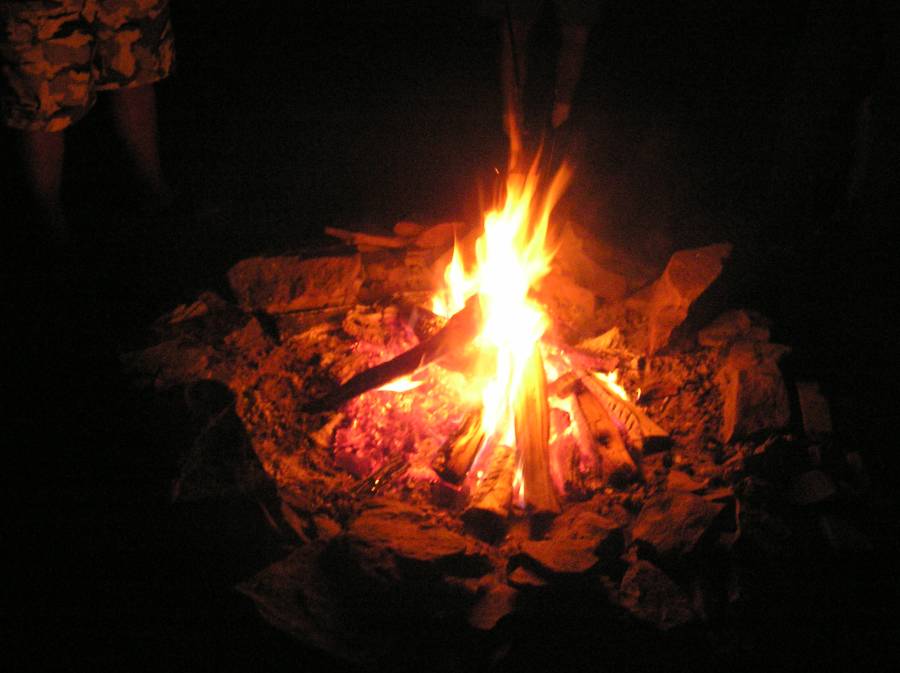
It is similar to piling rocks around a fire at a campsite. Long after the fire has gone out, the rocks radiate heat into the immediate area, keeping campers warmer during the cold nights. If you measure enough campsites in the forest, you will conclude that the forest has gotten warmer... on average... than before campers started coming to the forest...